Puppy Care
Bringing Home Your New Best Friend
Congratulations! Bringing home a new puppy is one of life's most exciting adventures. There will be wagging tails, puppy kisses, funny little personalities, and, yes, probably a chewed slipper or two!
The first few days and weeks are an important time for your puppy. Everything is new, and your little terrier is learning what it means to be part of your family. With a little preparation, patience, and plenty of love, you can help your puppy settle in and get off to a wonderful start.
Preparing Your Home
Before your puppy arrives, take a little time to make your home puppy-friendly. Puppies are naturally curious and have a remarkable ability to find things you didn't even realize were interesting!
Put away anything that could be dangerous or easily chewed, including electrical cords, small objects, household chemicals, and anything you wouldn't want those sharp little puppy teeth to discover. Decide where your puppy will eat, sleep, play, and go outside for potty breaks.
It's also helpful to establish the household rules before your puppy arrives. If the puppy isn't going to be allowed on the furniture, for example, everyone in the family should agree from the beginning. Consistency makes learning much easier for a young dog.

Getting the Basics Ready
Your puppy will need a few simple things to feel comfortable in their new home. Have their food and water bowls ready, along with the same puppy food they've been eating. A comfortable bed, crate, collar, leash, and several safe puppy toys will also come in handy.
Puppies love to chew, so providing appropriate toys gives them something they are actually allowed to sink their teeth into. Having a good supply of puppy treats on hand is also helpful because training starts almost as soon as your puppy walks through the door.
The First Day Home
The first day is a big one for your puppy. After leaving their mother and littermates, they'll be experiencing a whole new environment. Try to keep the first day relatively quiet. Give your puppy plenty of time to sniff and explore their new surroundings without overwhelming them with too many visitors. Show them where their food, water, bed, and potty area are located and allow them to settle in at their own pace.
It's perfectly normal for a puppy to seem a little tired, nervous, or uncertain at first. Some puppies settle in immediately, while others need a little more time. Gentle reassurance and a calm environment will help your puppy feel secure.
Establishing a Routine
Puppies do best when they know what to expect. Establishing a regular daily routine for meals, potty breaks, playtime, training, and sleep can help your puppy settle into family life.
Try to take your puppy outside frequently, especially first thing in the morning, after eating, after naps, and following energetic play. Young puppies have small bladders and are still learning, so frequent trips outside are part of the process. A predictable routine also helps your puppy understand when it's time to play and when it's time to settle down for a nap.
House Training
House training requires patience and consistency. Take your puppy to the same outdoor area regularly and give them plenty of praise when they get it right. Watch for signs that your puppy needs to go, such as sniffing, circling, wandering away, or suddenly becoming restless.
Accidents will happen. That's simply part of raising a puppy. Avoid punishment or scolding. Instead, clean up the accident thoroughly and continue with your routine. Your puppy will gradually learn where they are supposed to go. Remember that every puppy is different. Some catch on quickly, while others take a little longer. Consistency is your best friend.
Creating a Comfortable Sleeping Space
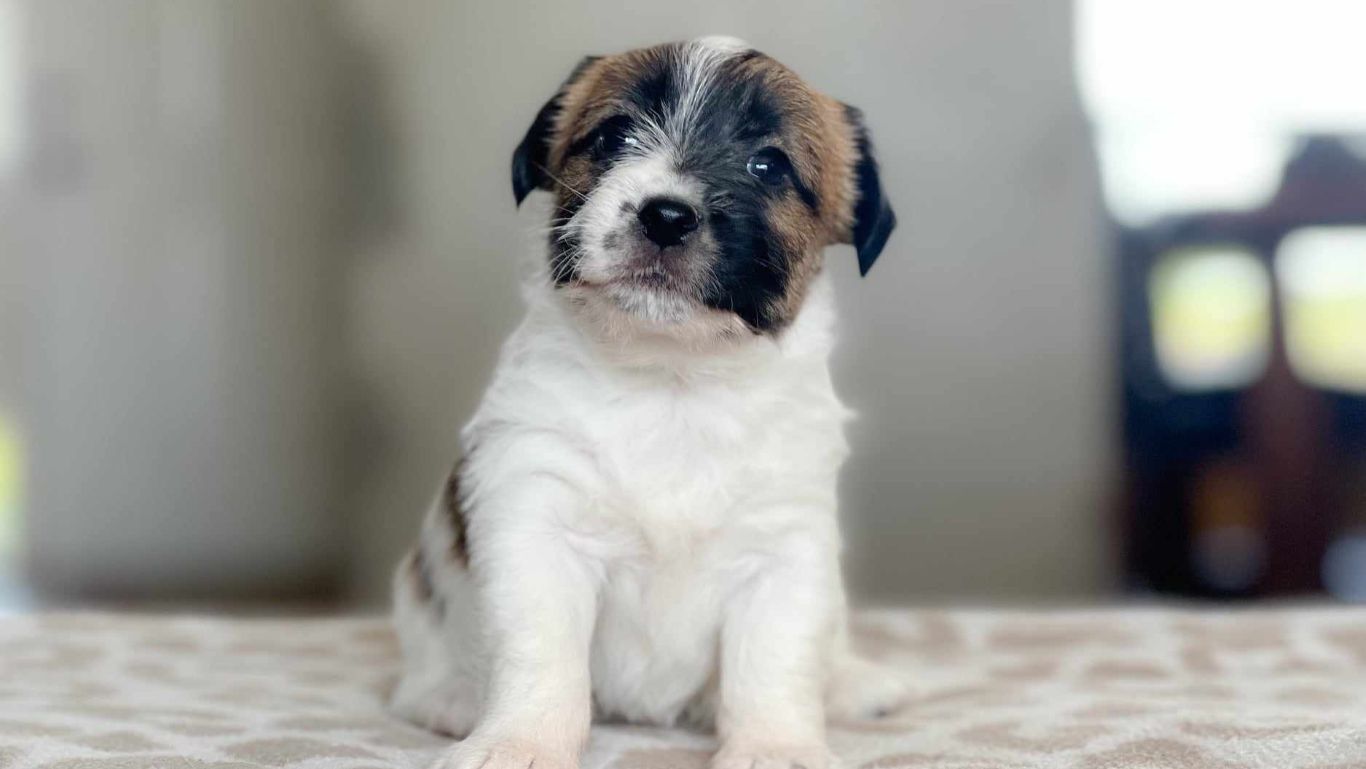
Your puppy will need a safe, comfortable place to sleep. A crate can be a wonderful tool when introduced in a positive way and can eventually become your puppy's own cozy little bedroom. Puppies sleep a lot because growing is hard work! Don't be surprised if your energetic little terrier suddenly falls asleep in the middle of playing.
At bedtime, keep things calm and establish a predictable routine. Your puppy may miss their littermates during the first few nights, so some whining or restlessness is not unusual. Comfort and reassurance, combined with consistent expectations, will help your puppy adjust.
Feeding Your Puppy
Your puppy's diet plays an important role in their growth and development. We'll let you know what your puppy has been eating before they leave us, and we recommend keeping their diet consistent during the first few days at home.
If you decide to change foods, make the transition gradually by mixing increasing amounts of the new food with the old food. Sudden changes can cause digestive upset. Follow the feeding guidance provided with your puppy and consult your veterinarian if you have questions about how much or how often your puppy should eat. Fresh, clean water should always be available.
Exercise and Play
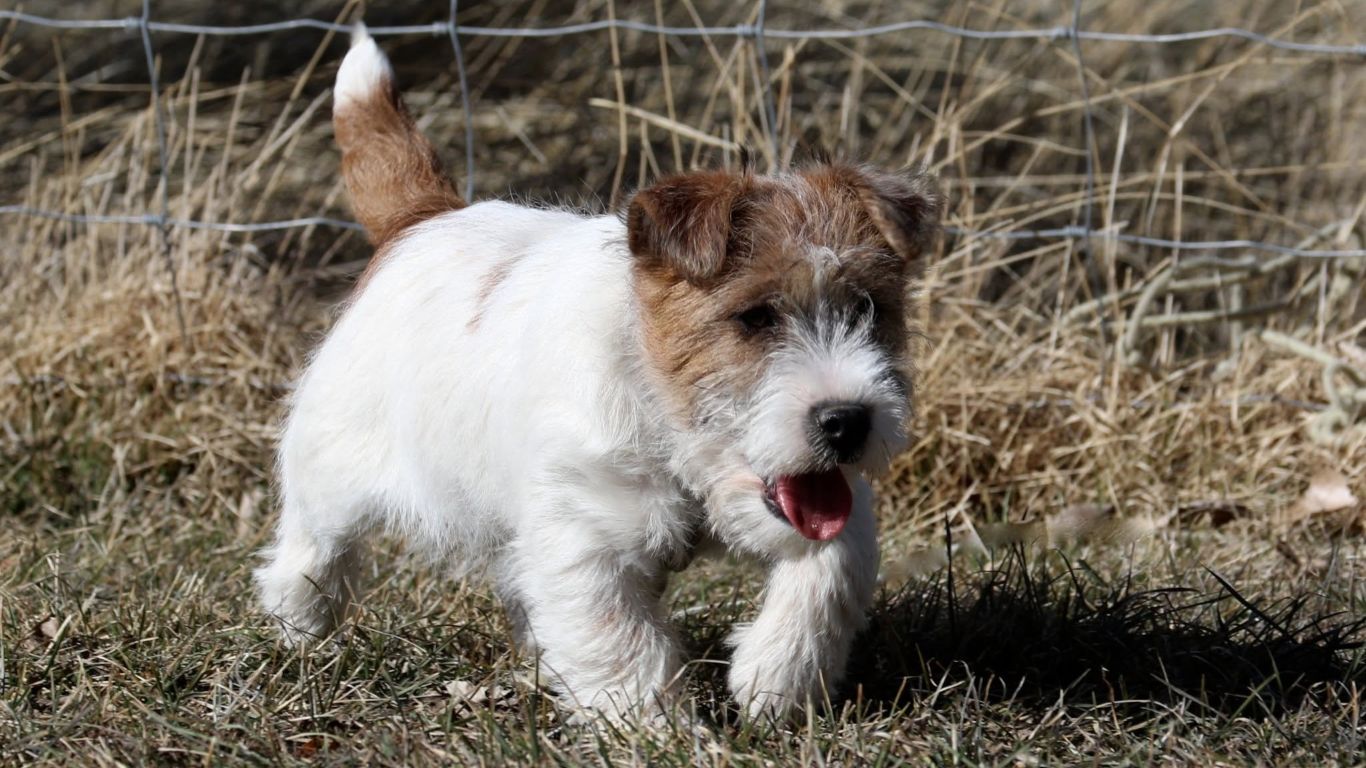
Terriers may be small, but they certainly don't think they are! They are intelligent, curious, and naturally energetic. They enjoy games, exploring, learning new things, and spending time with their families.
Young puppies should not be pushed into long walks or strenuous exercise. Their growing bodies need plenty of rest. Short, age-appropriate play sessions, gentle exploration, and simple games are usually much more appropriate for a young puppy. As your puppy grows, your veterinarian can help you determine an appropriate exercise routine.
Socialization
The early months of a puppy's life are an important time for learning about the world. Positive experiences with different people, sounds, environments, and situations can help your puppy grow into a confident companion. Introduce new experiences gradually and make sure they are positive. Let your puppy approach new things at their own pace rather than forcing them into unfamiliar situations.
Your veterinarian can also advise you about when it is appropriate for your puppy to visit public places or interact with other dogs, based on their vaccination schedule and local health considerations.
Training Your New Terrier
Training is one of the best ways to build a relationship with your puppy. Terriers are intelligent dogs, and they enjoy learning when training is kept fun and positive. Start with simple commands such as their name, "sit," "come," and "stay." Keep sessions short and end while your puppy is still having fun.
Positive reinforcement works wonderfully. Praise, affection, and a small treat can make learning enjoyable for both of you. Terriers can also be independent thinkers, so don't be surprised if your puppy occasionally looks at you as though they're considering whether your request is really worth their time! Patience and consistency will win the day.
Veterinary Care
Before your puppy leaves our care, they will receive the appropriate vaccinations, and deworming for their age. You'll receive their health records when your puppy goes home.
We recommend arranging an appointment with your own veterinarian shortly after bringing your puppy home. Your veterinarian can review your puppy's health history, discuss future vaccinations and parasite prevention, and answer any questions about nutrition, growth, and general care. If you ever have concerns about your puppy's health, don't hesitate to contact your veterinarian.

Enjoy the Little Moments
The puppy stage can be busy, but it goes by surprisingly quickly. Take lots of pictures, enjoy the silly moments, and give your new companion plenty of love. Watch those little ears perk up when they hear your voice. These are the moments you'll look back on when your puppy is a full-grown terrier sitting beside you.
Our puppies are raised with a great deal of care and affection, and we want that same care to continue when they join their new families.